


BMW 3.0 Valve Spring Parts
Showing 4 out of 4 part(s) found in our catalog.
Brand
Keyword
Subcategory
Mon-Fri 8-4 MST/PST (Arizona Time)

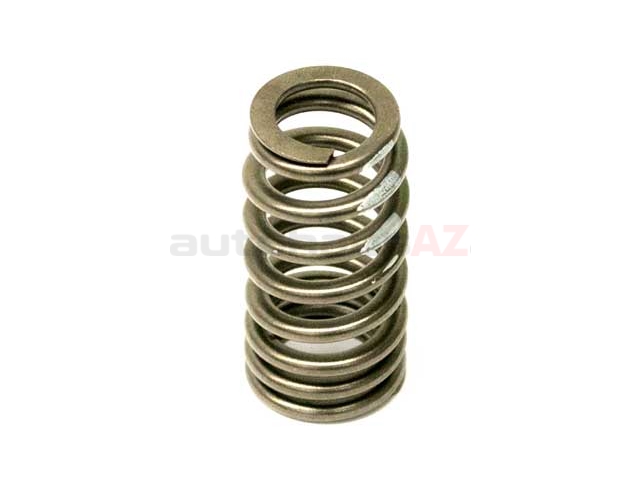


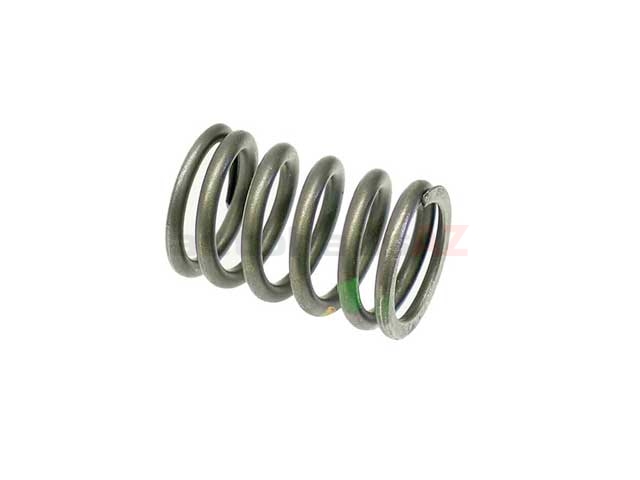
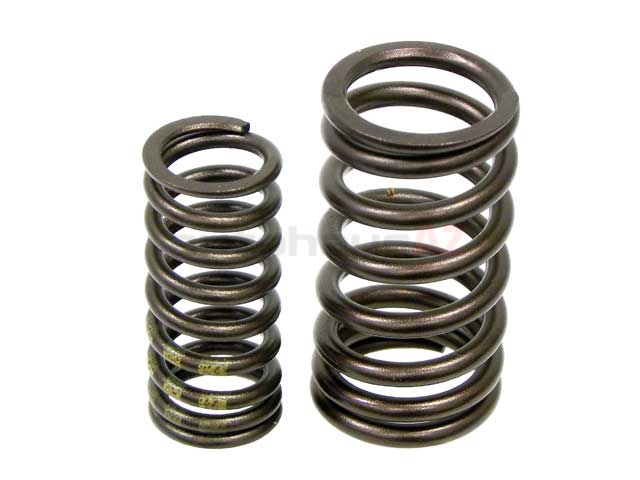
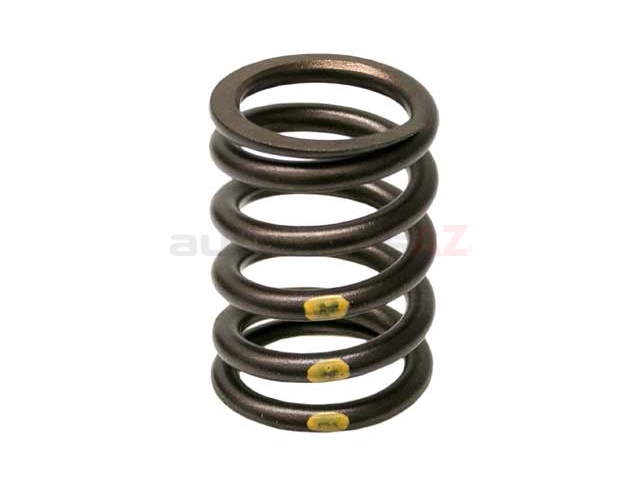
Based on industry averages you can expect to pay between $15.09 and $20.29 for a BMW 3.0 valve spring.
What Are The Signs Of A Failing BMW 3.0 Valve Spring?
Spotting trouble with a BMW 3.0 valve spring early can save you a lot of headaches. The most common signs something’s off include a shaky idle, occasional misfires—especially at certain RPMs—or just feeling like the engine’s lost some of its usual punch. You might also hear an odd ticking or knocking sound coming from under the hood, which often points to a spring that’s grown weak or possibly snapped. If things get worse, the check engine light may pop on. Catching these issues soon will help you avoid more expensive repairs down the line, so it’s worth taking a peek at the valve springs whenever the engine is opened up for service.
How Often Should The BMW 3.0 Valve Spring Be Replaced?
There’s no set mileage to swap out a BMW 3.0 valve spring, but most folks tend to do it during major engine service—like a head rebuild or when chasing performance upgrades. If your BMW has high mileage or sees plenty of spirited driving, the springs can wear down faster, so playing it safe with a replacement every 100,000 miles or so isn’t a bad idea. Those pushing their engines with track days or power upgrades might want to change springs sooner to avoid issues later on.
Can I Upgrade The BMW 3.0 Valve Spring For Better Performance?
Absolutely—many enthusiasts choose to upgrade the BMW 3.0 valve spring for added peace of mind, especially when adding aftermarket camshafts or raising the rev limit. Beefier springs help keep the valves under control at higher engine speeds, meaning you’re less likely to deal with valve float past the factory redline. Just make sure to pair your upgraded springs with the right cams and other components to keep everything running smooth and quiet.
What Causes The BMW 3.0 Valve Spring To Fail?
A BMW 3.0 valve spring can give up for a few reasons—most often, it’s simply years of heat and pressure breaking down the metal. Regularly pushing the engine hard or missing scheduled oil changes can speed things along. Sometimes, a manufacturing flaw or a bit of rust is all it takes for a spring to fail sooner than expected. Keeping up with maintenance and being mindful if you’re hard on the throttle can go a long way towards keeping the springs in good shape.
What Is The Process For Replacing A BMW 3.0 Valve Spring?
Swapping out a BMW 3.0 valve spring is a detailed job. It starts with taking off the valve cover—and sometimes the whole cylinder head—depending on the engine setup. With the right tools, like a valve spring compressor, you can safely remove the old spring and fit the new one, making sure each piece is lined up correctly. It’s smart to check the valves and seals for any other issues while you’re in there. Putting everything back together requires a bit of patience and following official torque specs so everything seals up tight. If you’re not comfortable with this level of engine work, it’s worth letting a seasoned mechanic handle it.
Why Buy Your BMW 3.0 Valve Spring From Us?
Shopping with us means less hassle and more value for your BMW 3.0 valve spring. We offer competitive pricing, quick shipping, and a painless returns process, so you can get your parts fast and get back to driving without worry. Our team is here to help if you have questions, and we make it easy to find exactly what your BMW needs.


